
Uganda is a heavily import-dependent country.
It is not just consumables that headline the list. There are electronics that form a major part of the re-export trade to neighbouring countries, the DRC in particular. This year, petroleum has dominated our import-dependent status (which we have covered in some depth on this blog). These last two weeks, since the shilling slid down, fell and nearly broke its hip, dollar demand for petroleum products, especially by UNOC, has been fingered as the main culprit as to why the shilling is ambling along the economic highway like a drunkard. Uganda is of course also dependent for its growth on imported capital.
This is actually the main reason for the wobbly conveyance of the suffering shilling referred to above.
But as we pointed out as far back as mid-September, a combination of our “way of life” including heavy spending during the Christmas holiday season, the overall rise in prices of goods, now made worse by the shabby condition of the shilling and high transportation costs, will inflict some pain. Now with the onset of erratic rains around the country, the El Niño effect will cause some damage to food stores, a red line in the political fortress, at a time when households, especially in the cities, already facing higher costs of bread and cereals and having spent their savings cushioning their families, must now contend with shortages of locally produced food.
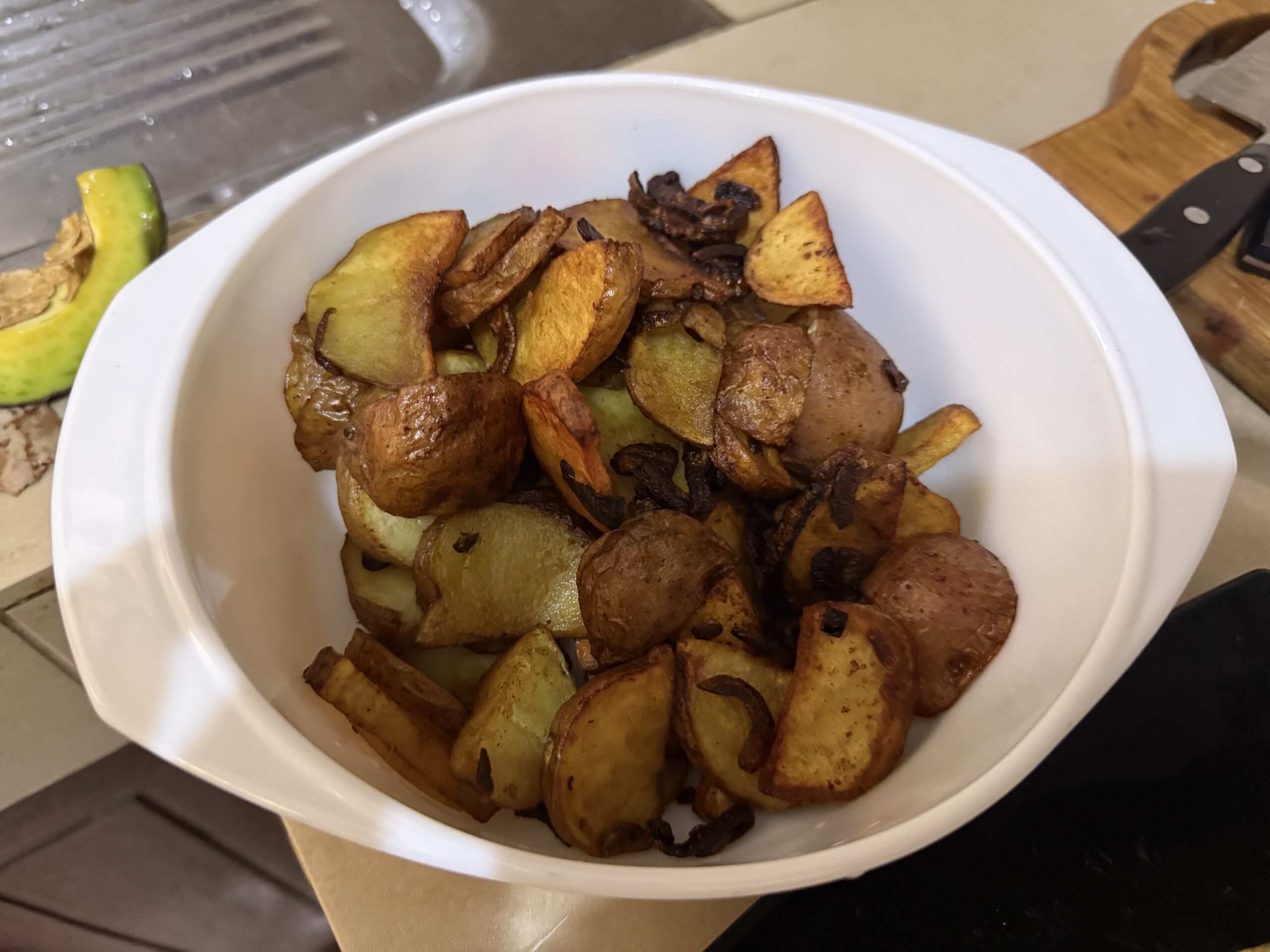
Enter the potato or potatoe.
This vegetable, made infamous during the Irish famine, one of the truly sad episodes in the history of laissez-faire or free market capitalism, has been cast as a dramatis persona of the austere times we are dealing with by none other than the principal economic technocrat of the Ministry of Finance, Secretary to the Treasury Ramathan Ggoobi.
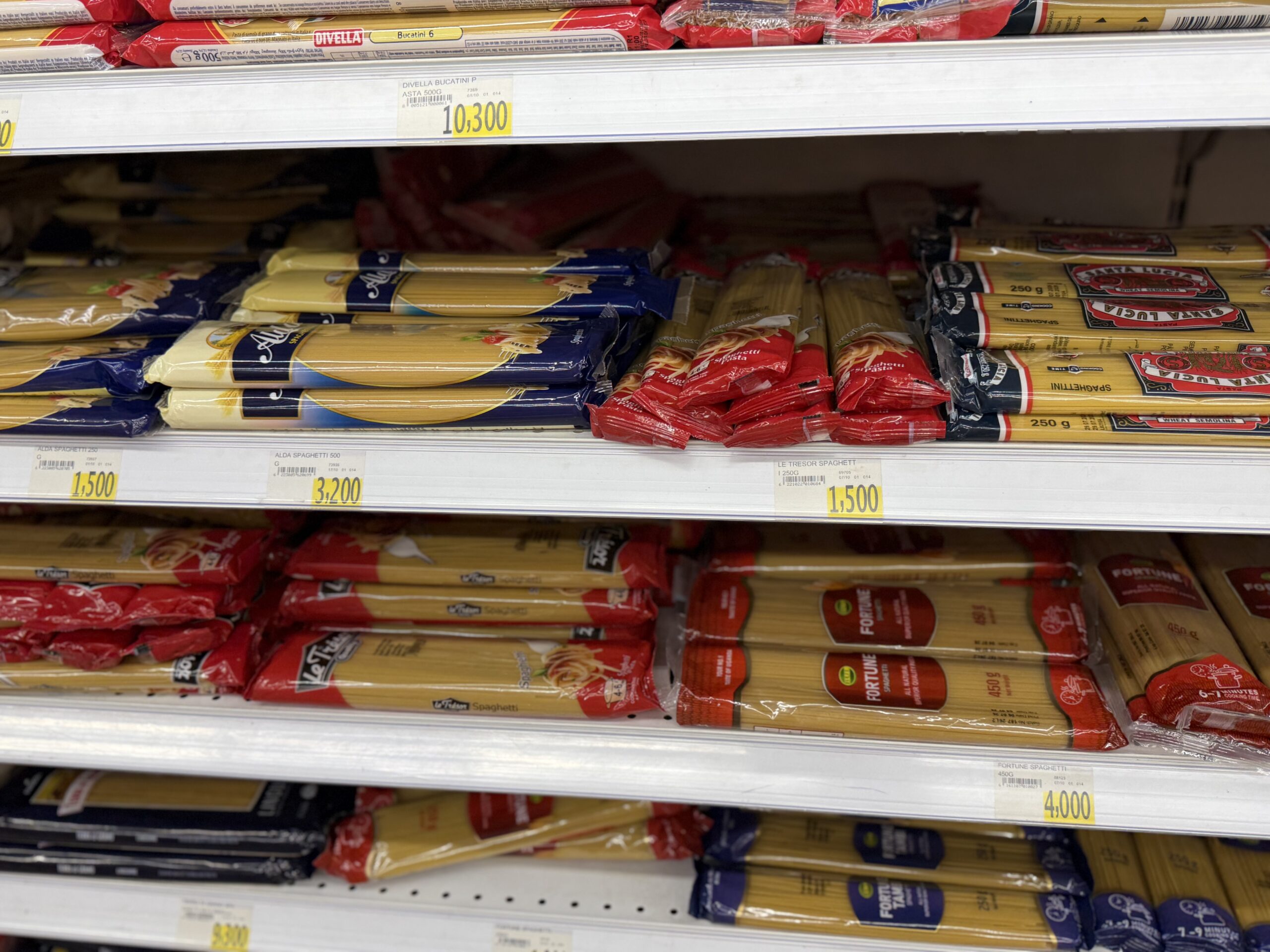
Why, he asked during a radio talk show on 93.3 KFM, where I was once a producer, are Ugandans eating spaghetti “at a time when inflation is rising and forex is high”? “In Uganda we don’t produce spaghetti. We have our potatoes from Kabale, cassava, matooke.”
Fine.
But the price of these food items is also rising and obviously affecting those who eat them the most rather than someone looking to eat pesto pasta this weekend. Diesel costs 42.5 per cent more, and in the case of the potato, the 400-kilometre journey from Kigezi (plus distribution from market to home) is pushing prices up.
In the last national household survey, for example, food took nearly half of what the average Ugandan family spent, and close to 60 per cent in rural areas. Then add the fact that nine in ten working Ugandans are in informal jobs, without a fixed wage or a pay rise to look forward to, and a typical salaried worker earns about UGX 200,000 a month. Others exist in what Evelyn Anite (MP) referred to as ‘paid unemployment’, where their earnings do not cover their basic needs at all.
In September alone, the price of matooke rose 16 per cent while fresh cassava cost 29 per cent more than a year earlier. Besides this, many rural families sell part of their harvest when everyone else is selling, therefore at a low price, and buy food later in the year when prices are high. A World Bank study found that more than half of rural households, and almost all urban ones, buy more of their staple food than they sell. Higher food prices therefore are a loss to them.
Needless to add, as some farmers have told me, input costs such as fertiliser, seeds and animal feed as well as veterinary drugs are rising (these cost a fifth more in shillings because of the shilling’s fall, even at present world prices). All of them have to be transported more expensively by road to the farm. What this means is that inputs purchased at the present high rates will have to be priced in when the new crop season is ready for harvesting.
In short, local food is not protected from the dollar.
That comment by Ramathan Ggoobi was unfortunate, though I join the head of the Treasury in supporting the policy of import substitution, especially where it matters most: petroleum. As one of the architects and promoters of the Parish Development Model, Uganda’s flagship rural agricultural credit accelerator, he should have seen that the fall of the shilling is a disaster. A falling currency acts like a tax that affects everyone.
PDM has lent upwards of UGX 4.3 trillion to approximately 3.6 million people. These loans, of UGX 1 million per recipient at 6 per cent a year, mostly go to buy pigs, poultry and coffee. But the government itself now borrows at between 16 and 18.5 per cent or higher (much of it domestically and in shillings whose value has fallen by about 17.5 per cent since June). Clearly, the 6 per cent is now a larger subsidy than planned, and repayments, when or if they come, will reflect the corrosion of the shilling in this period, while new lending will likely be affected by the Treasury’s austerity programme (Ggoobi has said government will cut UGX 3 trillion in spending).
But hey, as a consultant I have been paid in foreign currency, and, let us be honest, people who already hold or earn dollars, including those receiving money from relatives abroad, and wealthy savers lending to the government through bonds at the current high rates, are doing well. So are coffee farmers paid in this period.
They are the narrow group that fits the argument President Museveni has often made that a weaker shilling helps exporters (and therefore that an export-driven economy is the key to economic prosperity). In September 2008, with world food prices soaring, he told the UN General Assembly that “farmers in Uganda are reaping high” and that the “so-called food crisis” was good for Equatorial Africa. In 2022 he told Ugandans to eat millet and cassava instead of bread (the bread association has just today announced a price increase of UGX 800). But the principle covers a very narrow (if growing) minority.
The World Bank later estimated that the 2008 price rises pushed about 700,000 more Ugandans into poverty, because most households buy more food than they sell. At the end of that decade, global inflation and high food prices caused the largest political shocks in recent African history, with the fall of governments in Tunisia, Egypt and Libya. Uganda too was touched by protests and high crime. In today’s turbulent world, the energy shock is stoking the fire and global inflation is on a steady rise.
In September, when I forecast that Uganda should brace for six difficult months of high fuel prices and heavy rain, I did not anticipate the fall of the shilling. It was not a factor. The pain from petroleum is now worse than I had forecast. Petrol averaged about UGX 7,000 a litre in October, and world oil prices on 23 October were at their highest since mid-2022. In June a dollar cost about UGX 3,710. This week it has been trading around UGX 4,500. It was slightly lower at the time of writing (29 October), after the Bank of Uganda’s bond auction the previous day, but on the model I use it does not look as though the shilling will strengthen to below UGX 4,000 in the next two quarters.
Uganda imports all of its petrol and diesel. The biggest import substitution argument is for a domestic refinery.