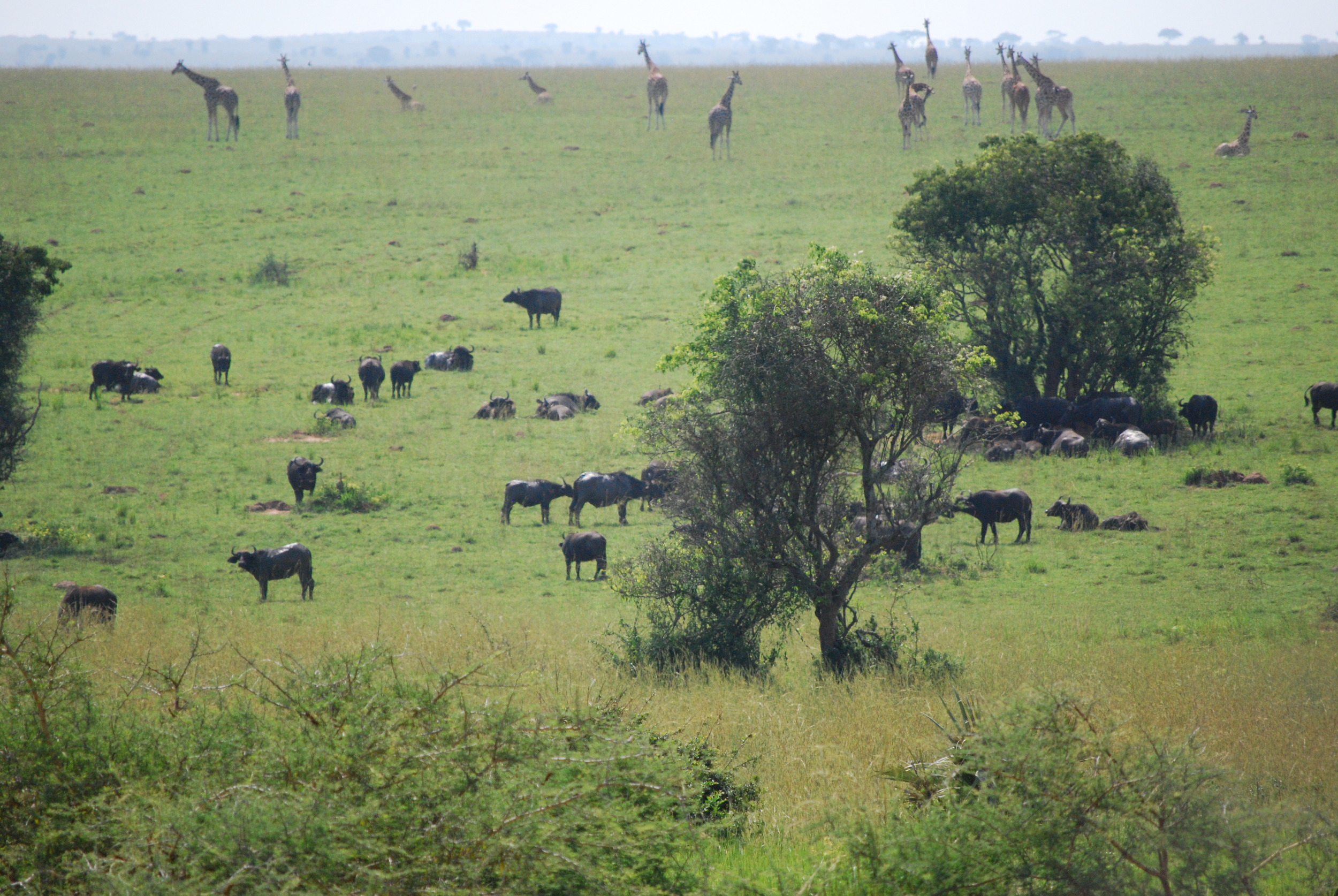
This week, the Uganda Wildlife Authority (UWA) will reintroduce White Rhinos to Ajai Game Reserve, marking a historic moment nearly 50 years after the species was poached to extinction in the wild.
For the people of West Nile, this is more than conservation. it is a milestone worth celebrating, a true reincarnation and restoration of our natural and cultural heritage. Its a corection of hostory gone wrong in 1982 when Rhinos finally disspared completely due go conflict & poaching
In earlier times, White Rhinos roamed freely across West Nile, including the Kei and Otce Mountain Forest Rhino Sanctuaries in present-day Koboko and Moyo. However, in the late 1800s, during the period when West Nile was traded between Anglo-Egyptian Sudan and the Belgian Congo, the region descended into lawlessness.
After the death of King Leopold, when the British leased West Nile as a private estate and hunting ground under the Congo Free State, trophy hunters from around the world flooded the area. This era saw the systematic destruction of rhinos and elephants, pushing them to extinction.
Ironically, this same period attracted some of the world’s most notable historical figures.
In 1897, Sir Winston Churchill visited Ajai and later wrote in My African Journey that West Nile’s fauna and flora had remained “unaltered since the dawn of time.”
Shortly after, U.S. President Theodore Roosevelt, during his 1899 Smithsonian African Expedition, spent nearly two weeks in Ajai. A White Rhino trophy from this expedition still stands among the main exhibits in his Presidential Library. Roosevelt’s meticulous documentation of West Nile wildlife particularly rhinos is today helping guide the scientific basis for their reintroduction.
West Nile also remembers the Roosevelt family’s influence in encouraging the British to allow Comboni Missionaries to move south from Juba into the region, laying the foundation for Catholicism, education, healthcare, and social services that shaped early civilization here.
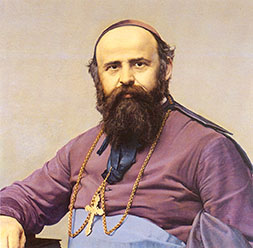
(above Daniel Comboni)
Alarmed by the uncontrolled poaching, King Ajai of the Madi took decisive action. He carved out over 150 square kilometers of his private estate for rhino protection, becoming one of Africa’s earliest conservationists.
In 1937, the British formally declared the area a Wildlife Sanctuary under King Ajai, later upgrading it to a Game Reserve in the 1960s.
King Ajai was a conservationist long before conservation became a buzzword. He is remembered for cultivating a unique relationship with wildlife, protecting tamarind trees in Madi Okollo,some now over 100 years old and inspiring avenue tree planting in Arua City, simply because he valued walking in the shade.
A visit to Ajai Game Reserve should therefore be more than a wildlife experience it should be a pilgrimage to the land of a visionary leader.
Madi Okollo itself is rich with historical and archaeological significance. Beyond Churchill and Roosevelt, it was once a slave trade hub, with routes running along the Nile to the Mediterranean. Remnants of Arab slave-trader installations still exist today.
Ajai also served as a major river port, where the steamer Lugard II transported people and produce cotton and tobacco from West Nile to Wanseko, onward to Masindi Port, then Jinja, and finally by rail to Kampala long before the Karuma and Pakwach bridges were built.
The region is also deeply tied to Emin Pasha, the Nubians, and the early forces later handed to Lugard, shaping the formation of modern Uganda.
As the White Rhinos return home, we want to use this moment to educate the world about West Nile—its rich history, deep heritage, and its early opening to civilization, including interactions with the Ottoman Turks.
We invite stakeholders to recognize West Nile’s vast tourism and investment potential:
a destination for adventure, culture, heritage, and a serene, diverse getaway.
Ajai sits along the Albert Nile, a 230-kilometer navigable stretch with enormous potential for water sports, sport fishing, and marine tourism.
As you visit Ajai, know that you are entering the home of the White Rhino, a land of great history and opportunity—bordered by DRC and South Sudan, enriched by diverse cultures, and blessed by the mighty Nile.
And as we celebrate this return, we also remember the era of Uganda Hotels and the 3T & 3C economic model, when White Rhino Hotel in Arua stood as a symbol of pride—one that too deserves reincarnation.
The White Rhino is back.
So too is West Nile’s story. It’s redemption, return of hope and healing. The roar of the Rhino & its footsteps will trample the Westnile lands again.
by Jimmy Opigo
Araa Fishing Lodge
Adjumani, West Nile.